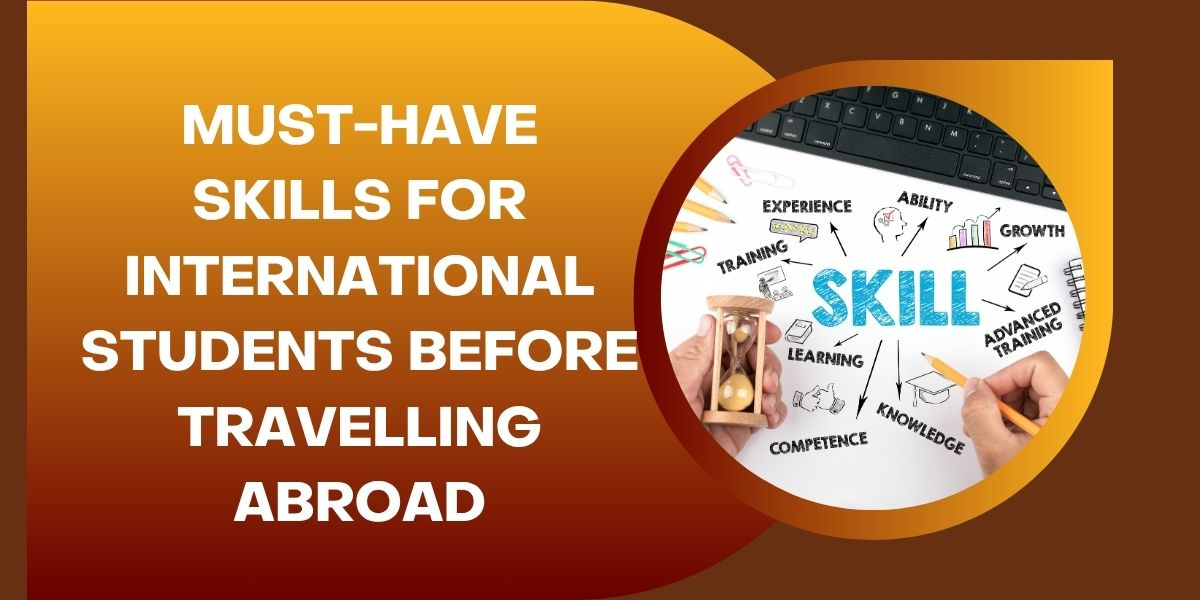
Traditional education equips us with knowledge from textbooks and lectures, but some of the most crucial life skills aren’t learned in a classroom. They are forged in the crucible of real-world experience. International travel is, perhaps, the ultimate immersive course in self-development. It throws you into unfamiliar situations, forces you to think on your feet, and challenges you to grow in ways you never thought possible. Beyond the beautiful landscapes and cultural encounters, travel is a powerful catalyst for acquiring practical skills that are invaluable in every aspect of life. This article explores the essential life skills you gain from exploring different countries, transforming you into a more capable, adaptable, and well-rounded individual.
Financial Management: Budgeting Across Different Economies
Managing your finances at home is one thing, but doing it in a foreign country with a different currency and a fluctuating exchange rate is a whole new level of financial literacy. Travel forces you to become a savvy budgeter. You learn to track your expenses, find the best deals, and make your money last. You become adept at mental math, quickly converting prices to your home currency to make informed purchasing decisions. This real-world experience in financial management is a skill that will serve you well long after you return home, helping you to make smarter financial decisions in your everyday life.
Planning a trip to a country with a unique economic landscape, like Myanmar, can be a great way to hone your budgeting skills. With the convenience of an e-Visa to Myanmar, you can focus on planning your budget for exploring ancient temples and bustling markets. Similarly, a trip to Cambodia offers a chance to practice your financial management skills in a country with a rich history and a developing economy. You can easily obtain a Cambodia e-Visa or explore options through E-visa-cambodia.com to start your journey.
Communication Skills: Beyond Language Barriers
Effective communication is more than just words. When you travel to a country where you don’t speak the language, you learn to communicate in a variety of creative ways. You become a master of non-verbal communication, using gestures, facial expressions, and body language to convey your message. You learn to be a more patient and attentive listener, picking up on subtle cues and nuances that you might otherwise miss. This experience of connecting with people beyond the confines of language is a powerful reminder that human connection is universal. It’s a skill that will make you a more empathetic and effective communicator in all your relationships.
Southeast Asia is a fantastic region for developing these skills. A trip to Laos, for example, will immerse you in a culture where a smile and a friendly gesture can go a long way. The Lao e-Visa process is simple, making it easy to embark on this journey of connection.
Critical Thinking and Decision-Making Under Pressure
Travel is full of moments that require quick thinking and decisive action. From choosing the right train platform in a crowded station to deciding what to do when your accommodation falls through, you are constantly faced with small and large decisions that have real consequences. This constant stream of problem-solving sharpens your critical thinking skills and teaches you to make sound judgments under pressure. You learn to weigh the pros and cons of a situation, consider different options, and trust your instincts. This ability to think on your feet is an invaluable asset in both your personal and professional life.
Cultural Intelligence: Reading Social Cues Globally
Cultural intelligence, or CQ, is the ability to relate and work effectively across cultures. In our increasingly interconnected world, CQ is no longer a soft skill but a critical competency. Travel is the most effective way to develop it. By immersing yourself in different cultures, you learn to understand and appreciate different customs, values, and social norms. You become more aware of your own cultural biases and learn to adapt your behavior to different social contexts. This ability to navigate cultural differences with respect and understanding will make you a more effective collaborator, leader, and global citizen.
Adaptability and Flexibility in Unpredictable Situations
As the saying goes, “The best-laid plans of mice and men often go awry.” This is especially true when it comes to travel. Flights get delayed, weather turns unexpectedly, and attractions close without notice. These unpredictable situations can be frustrating, but they also teach you the invaluable skills of adaptability and flexibility. You learn to let go of rigid expectations, embrace spontaneity, and find the silver lining in unexpected detours. This ability to go with the flow and make the best of any situation is a hallmark of a resilient and confident individual.
A safari in Africa is a perfect example of a trip that requires adaptability. The movements of wildlife are unpredictable, and you have to be ready to change your plans at a moment’s notice. A trip to Tanzania, with its world-renowned national parks, is an unforgettable experience that will teach you the art of patience and flexibility. The e-Visa for Tanzania makes it easy to plan your adventure. Similarly, a journey to Kenya, home of the Maasai Mara, offers a chance to witness the great migration, an event that is entirely dependent on the whims of nature. The Kenya eTA is your ticket to this incredible spectacle.
Time Management and Planning Across Time Zones
When you’re traveling, time is a precious commodity. You want to make the most of every moment, and that requires effective time management and planning. You learn to create itineraries, prioritize activities, and navigate public transportation systems to maximize your time. You become adept at dealing with time zones, adjusting your sleep schedule and planning your activities to minimize jet lag. This ability to manage your time effectively is a skill that will help you to be more productive and efficient in all areas of your life.
Digital Literacy: Navigating Apps and Technology Worldwide
In the digital age, technology has become an indispensable tool for travelers. From booking flights and accommodation to navigating new cities and translating foreign languages, there’s an app for just about everything. Travel forces you to become more digitally literate, learning to use a variety of apps and online tools to make your journey smoother and more enjoyable. This experience of using technology to solve real-world problems will make you more comfortable and proficient with new technologies in all aspects of your life.
Many countries have also streamlined their visa processes with online systems. For example, the Uganda e-Visa allows you to apply for your visa from the comfort of your own home, saving you time and hassle.
Interpersonal Skills: Building Relationships Across Cultures
Travel is an inherently social experience. Whether you’re traveling with friends, family, or on your own, you are constantly interacting with new people. You learn to strike up conversations with strangers, build rapport with people from different backgrounds, and navigate the dynamics of group travel. These experiences hone your interpersonal skills, making you a more confident and engaging conversationalist. You learn to find common ground with people who have vastly different life experiences, and you build a global network of friends and connections.
The idyllic islands of the Seychelles are a perfect destination for a relaxing and social getaway. The Seychelles e-Visa makes it easy to plan a trip to this tropical paradise, where you can connect with fellow travelers and friendly locals.
Self-Reliance and Independence: Trusting Your Instincts
Perhaps the most profound skill you gain from travel is self-reliance. When you’re on your own in a foreign country, you have to learn to trust your own judgment and rely on your own resources. You become more independent, more resourceful, and more confident in your ability to handle whatever life throws at you. This newfound sense of self-reliance is a gift that will empower you to take on new challenges and pursue your dreams with courage and conviction.
A trip to a remote and unique destination like Madagascar can be a powerful experience in self-discovery. The e-Visa for Madagascar is your gateway to an island of incredible biodiversity and adventure, where you can test your limits and discover your inner strength.
Conclusion: Bringing These Skills Home
The skills you gain from international travel are not just souvenirs to be tucked away with your passport. They are practical, transferable skills that will enrich every aspect of your life. From managing your finances to communicating effectively, from solving problems under pressure to adapting to change, travel is a masterclass in personal and professional development. So, as you plan your next adventure, whether it’s exploring the vast landscapes of Russia with a Russian e-Visa or discovering the ancient history of Armenia with a visa to Armenia, remember that you are not just collecting stamps in your passport; you are collecting life skills that will last a lifetime.
Negotiation and Persuasion Skills: The Art of the Deal
Travel, especially in markets and bazaars around the world, provides a masterclass in negotiation and persuasion. In many countries, haggling is not just accepted but expected. This cultural practice teaches you valuable skills in communication, patience, and strategic thinking. You learn to read body language, to make counteroffers, and to walk away when the price isn't right. These skills are directly transferable to professional settings, from salary negotiations to business deals.
The bustling markets of Southeast Asia are perfect training grounds for these skills. Whether you're bargaining for souvenirs in the night markets of Thailand or negotiating a tuk-tuk fare in Cambodia, you're developing real-world negotiation abilities that will serve you throughout your life.
Emotional Intelligence: Understanding and Managing Feelings
Travel is an emotional rollercoaster. You experience the highs of discovering a hidden gem and the lows of feeling homesick or frustrated. Learning to navigate these emotional ups and downs is a crucial component of emotional intelligence. You become more aware of your own feelings and better able to manage them in healthy ways. You also become more attuned to the emotions of others, developing greater empathy and compassion.
When you're traveling through a challenging environment, such as navigating the bureaucracy of obtaining travel documents or dealing with unexpected delays, you learn to regulate your emotions and maintain composure under pressure. This emotional resilience is invaluable in both personal and professional contexts.
Language Learning: Opening Doors to New Worlds
While you don't need to be fluent in a language to travel, making an effort to learn basic phrases can dramatically enhance your experience. Language learning is not just about communication; it's about showing respect for the local culture and opening doors to deeper connections. Even a simple "hello," "thank you," or "excuse me" in the local language can transform an interaction from transactional to meaningful.
Travel provides the perfect immersive environment for language learning. You're surrounded by native speakers, and you have countless opportunities to practice. You learn through context, making mistakes, and trying again. This practical approach to language learning is far more effective than classroom instruction alone. The skills you develop – active listening, pattern recognition, and the courage to speak despite imperfection – are valuable far beyond language acquisition.
Resource Management: Making the Most of What You Have
When you're on the road, you quickly learn to make the most of limited resources. Whether it's packing light, finding creative solutions to problems, or making your budget stretch further, travel teaches you to be resourceful and innovative. You learn to prioritize what's truly important and to let go of the rest. This minimalist mindset can be transformative, helping you to live more intentionally and sustainably.
Risk Assessment and Management: Calculated Decision-Making
Travel involves constant risk assessment. Is this neighborhood safe to walk through at night? Is this street food vendor reputable? Should I take this shortcut or stick to the main road? These daily decisions sharpen your ability to assess risk and make informed choices. You learn to trust your instincts while also gathering information and weighing your options. This skill is invaluable in business, finance, and everyday life.
Patience and Tolerance: Embracing the Unexpected
Travel rarely goes exactly according to plan. Flights are delayed, reservations are lost, and attractions are closed for renovation. These frustrations teach you patience and tolerance. You learn that getting angry or stressed doesn't change the situation; it only makes you feel worse. Instead, you develop the ability to accept what you cannot control and to find peace in the present moment. This zen-like acceptance is a valuable life skill that reduces stress and increases happiness.
Networking and Relationship Building: Creating Global Connections
In today's interconnected world, having a global network is more valuable than ever. Travel provides countless opportunities to meet people from different countries, industries, and backgrounds. Whether you're staying in a hostel, joining a group tour, or striking up a conversation at a café, you're building relationships that can enrich your life in unexpected ways. These connections might lead to job opportunities, collaborative projects, or lifelong friendships.
The key to effective networking while traveling is authenticity. Don't approach people with an agenda; simply be open to connection. Share your stories, listen to theirs, and find common ground. The relationships you build on the road are often deeper and more meaningful than those formed in traditional networking settings because they're based on shared experiences and genuine curiosity.
Problem-Solving Under Constraints: Creative Thinking
Travel often presents problems that require creative solutions. Your accommodation falls through at the last minute, your credit card doesn't work, or you need to get from point A to point B with limited options. These constraints force you to think creatively and to find innovative solutions. You learn to look at problems from different angles, to leverage the resources you have, and to think outside the box. This creative problem-solving ability is one of the most valuable skills you can develop, applicable to every area of life.
Physical Navigation and Spatial Awareness: Finding Your Way
In the age of GPS, we've become overly reliant on technology to navigate. Travel, especially in places where technology is unreliable or unavailable, forces you to develop your innate sense of direction and spatial awareness. You learn to read maps, to orient yourself using landmarks, and to trust your instincts. This skill not only makes you a better traveler but also enhances your cognitive abilities and confidence in unfamiliar environments.
Health and Wellness Management: Taking Care of Yourself
When you're traveling, you're responsible for your own health and wellness. You have to make conscious choices about what you eat, how much you sleep, and how you manage stress. This heightened awareness of your physical and mental health can lead to lasting lifestyle changes. You might discover the benefits of walking more, eating fresh local produce, or practicing mindfulness. These healthy habits, formed on the road, can transform your life when you return home.
Conclusion: A Lifetime of Learning
The life skills you gain from international travel are not just practical tools; they are transformative experiences that shape who you are. From financial management to emotional intelligence, from language learning to creative problem-solving, travel is a comprehensive education in the art of living. As you continue your journey, whether exploring the ancient temples of Cambodia, the wildlife of Africa, or the landscapes of Russia, remember that every experience is an opportunity to learn and grow. The world is your classroom, and the lessons you learn will last a lifetime.
To obtain a Philippines eVisa
- Step1: Complete the online application by providing your passport details.
- Step2: Submit payment online using a credit card.
- Step3: Monitor your email for confirmation of payment and receipt of your eVisa, which will be sent electronically.