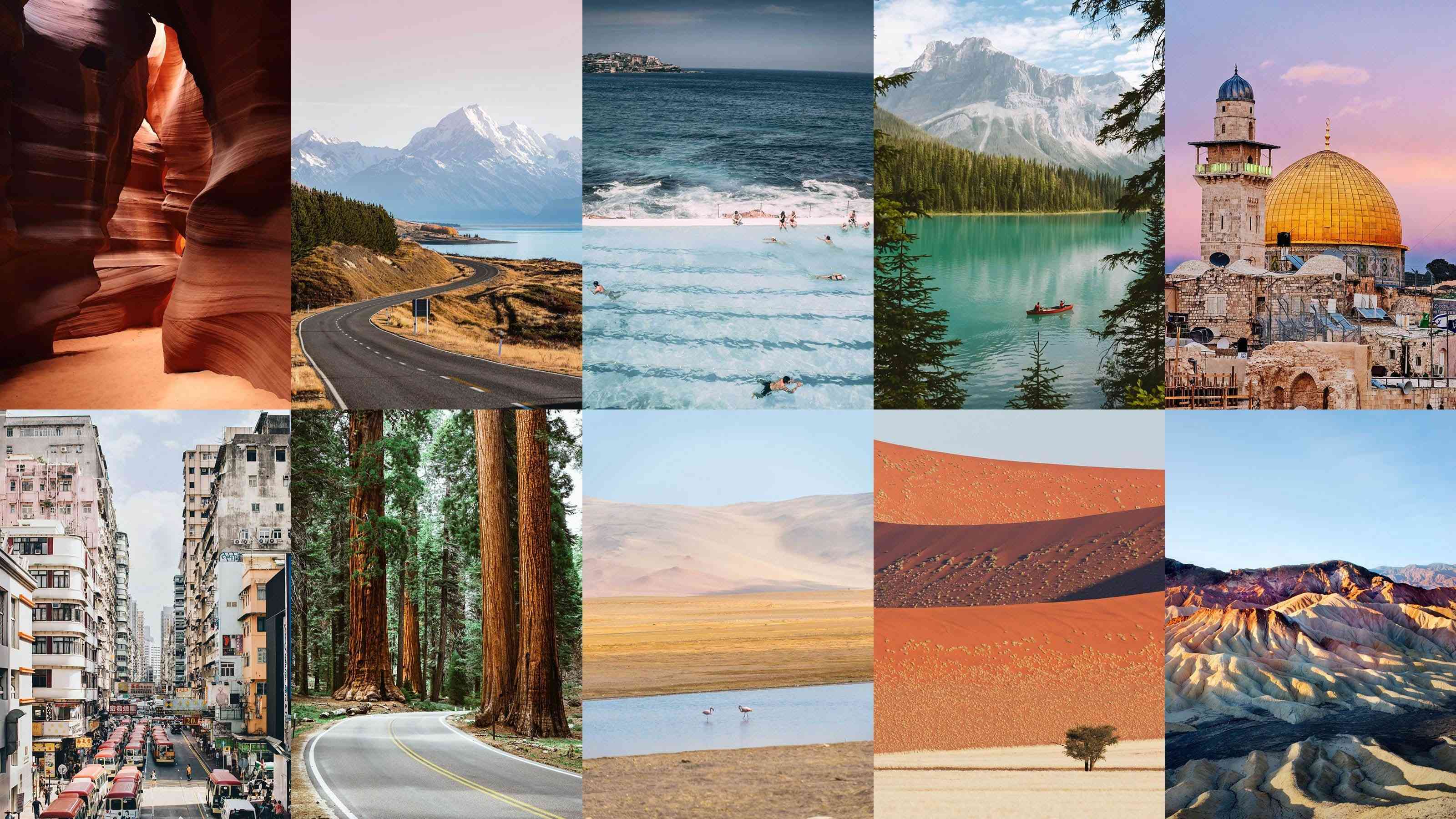
The journey from a nervous first-time traveler to a confident globetrotter is a profound metamorphosis. It’s a path paved with challenges, discoveries, and moments of pure, unadulterated joy. This transformation is not just about collecting passport stamps; it’s about shedding layers of self-doubt and embracing a more resilient, open-minded, and empowered version of yourself. This guide provides a comprehensive roadmap for that journey, offering practical advice and inspiration to help you navigate the transition from a timid tourist to a fearless explorer.
Introduction: The Journey from Fear to Freedom
Fear is a natural human emotion, and when it comes to travel, it can manifest in many forms: fear of the unknown, fear of getting lost, fear of not being able to communicate. These fears can be paralyzing, keeping you tethered to the familiar and preventing you from experiencing the richness and diversity of our world. But on the other side of fear lies freedom. The freedom to explore, to connect, and to grow. This guide is for anyone who has ever felt that pull of wanderlust, but has been held back by fear. It’s a step-by-step guide to conquering your travel anxieties and embarking on a journey of a lifetime.
Pre-Trip Preparation: Building Confidence Before You Leave
Confidence is not something you can pack in your suitcase, but it is something you can cultivate before you even leave home. Thorough preparation is the key. The more you know about your destination, the more confident you will feel. Research the local culture, customs, and basic phrases. Create a detailed itinerary, but also leave room for spontaneity. Pack light, but make sure you have all the essentials. The more prepared you are, the less you will have to worry about, and the more you can focus on enjoying the experience.
Choosing Your First Destination: Where to Start
For a first-time solo traveler, choosing the right destination is crucial. You want a place that is relatively safe, easy to navigate, and has a good tourism infrastructure. A country in a region you are somewhat familiar with can be a good starting point. However, don’t be afraid to challenge yourself. A trip to a country with a completely different culture can be an incredibly rewarding experience. Consider a destination in a region you've always been curious about. For example, several countries in Africa offer accessible and transformative travel experiences. Obtaining a Benin e-Visa or a Cameroon e-Visa can be your first step towards an unforgettable adventure in West Africa.
Essential Travel Skills Every Beginner Needs
Every traveler needs a basic toolkit of skills to navigate the world. These include:
- Navigation: Learn to read a map, use a compass, and navigate with a GPS app on your phone.
- Budgeting: Create a travel budget and stick to it. Learn to track your expenses and find ways to save money on the road.
- Communication: Learn a few basic phrases in the local language. Don’t be afraid to use gestures and a translation app to communicate.
- Safety: Be aware of your surroundings, trust your instincts, and take precautions to protect yourself and your belongings.
Overcoming Common Travel Fears and Anxieties
It’s normal to feel anxious before a trip, but don’t let your fears hold you back. Here are some common travel fears and how to overcome them:
- Fear of flying: If you have a fear of flying, consider taking a course or reading a book on the topic. On the day of your flight, practice relaxation techniques like deep breathing and meditation.
- Fear of getting sick: Pack a basic first-aid kit and any prescription medications you need. Research the local healthcare system and have a plan in case you get sick.
- Fear of being alone: If you’re traveling solo, stay in social accommodation like hostels or guesthouses. Join a group tour or a cooking class to meet other travelers.
Week-by-Week Transformation: What to Expect
The transformation from a nervous traveler to a confident explorer doesn’t happen overnight. It’s a gradual process that unfolds over time. In the first week, you may feel a mix of excitement and anxiety. By the second week, you will start to feel more comfortable and confident. By the third week, you will be navigating new cities like a pro and making friends with people from all over the world. And by the time you return home, you will be a changed person.
Cultural Sensitivity: Learning to Respect and Adapt
Respect for the local culture is essential for any traveler. Before you go, research the local customs and dress code. Be mindful of your behavior and be open to learning about different ways of life. A trip to a country like the Republic of the Congo, accessible with a Congo e-Visa, offers a deep dive into a rich and diverse culture that requires a respectful and open-minded approach.
Safety and Security: Staying Smart While Exploring
While it’s important to be open and adventurous, it’s also important to be smart about your safety. Be aware of your surroundings, especially in crowded areas. Don’t flash your valuables, and keep your important documents in a safe place. Trust your instincts, and if a situation feels unsafe, remove yourself from it. Many countries in Southern Africa, such as Zambia and Zimbabwe, are known for their incredible natural beauty and wildlife. With a Zambia visa or a Zimbabwe visa, you can explore these wonders safely by following common-sense precautions.
Documenting Your Growth: Journaling and Reflection
Journaling is a powerful tool for self-reflection and growth. Keep a travel journal to document your experiences, your thoughts, and your feelings. Take photos and videos to capture the moments that matter. When you return home, you will have a beautiful record of your journey and a testament to your transformation.
Returning Home: Integrating Your New Perspective
Returning home after a long trip can be a disorienting experience. You may feel like you’ve changed, but everything at home has stayed the same. This is known as reverse culture shock. Be patient with yourself and give yourself time to readjust. Share your stories with friends and family, and find ways to integrate your new perspective into your daily life.
Planning Your Next Adventure: Continuing the Journey
Once you’ve had a taste of the transformative power of travel, you’ll be hooked. Start planning your next adventure, whether it’s exploring the stunning coastline of Mozambique with a Mozambique e-Visa, the deserts of Namibia with a Namibia e-Visa, or the vibrant markets of Togo with a Togo e-Visa. The world is full of incredible places to explore, and your journey of self-discovery has only just begun.
Conclusion: Your Transformation Awaits
The journey from a nervous traveler to a confident explorer is a journey of self-discovery. It’s a journey that will challenge you, inspire you, and change you in ways you never thought possible. So, take a deep breath, book that ticket, and get ready for the adventure of a lifetime. Your transformation awaits. And who knows, your next adventure could take you to the heart of Central Africa with an e-Visa to Chad, the plains of the Ivory Coast with an Ivory Coast e-Visa, or the vibrant culture of Burkina Faso with a Burkina Faso e-Visa. The possibilities are endless.
The Psychology of Travel Anxiety: Understanding Your Fears
Before we can overcome travel anxiety, we need to understand where it comes from. Travel anxiety is often rooted in a fear of the unknown, a need for control, or past negative experiences. It can manifest as worry about safety, health, finances, or social situations. Understanding the psychological roots of your anxiety is the first step in addressing it.
Research shows that anticipatory anxiety – the worry about what might happen – is often worse than the actual experience. Our brains are wired to focus on potential threats, a survival mechanism that served our ancestors well but can be counterproductive in modern travel. By recognizing this tendency, you can learn to challenge catastrophic thinking and focus on more realistic outcomes.
Building a Support Network: You're Not Alone
One of the most effective ways to overcome travel anxiety is to build a support network. This might include fellow travelers, online communities, or friends and family back home. Knowing that you have people to turn to for advice, encouragement, or just a friendly chat can make all the difference.
Online travel communities are particularly valuable for nervous travelers. Platforms like travel forums, social media groups, and travel blogs offer a wealth of information and support from people who have been where you are. You can ask questions, share your concerns, and learn from the experiences of others. Many travelers find that connecting with others who share their anxieties helps normalize their feelings and provides practical strategies for coping.
Practical Preparation: Knowledge is Power
The more you know about your destination, the more confident you will feel. Thorough research is one of the most effective ways to reduce travel anxiety. Learn about the local culture, customs, and laws. Research the safest neighborhoods, the most reliable transportation options, and the best ways to stay healthy. Create a detailed itinerary, but also have backup plans in case things don't go as expected.
Practical preparation also includes taking care of logistics. Make sure your passport is valid, obtain any necessary visas well in advance, and arrange travel insurance. Having these details sorted out before you leave will give you peace of mind and allow you to focus on enjoying your trip.
For travelers heading to African destinations, the visa process has become increasingly streamlined. Whether you're planning to explore the wildlife of Benin, the cultural heritage of Cameroon, or the natural wonders of the Congo, obtaining your visa is now easier than ever. The digital age has made it possible to complete most of the paperwork from home, reducing one major source of pre-trip stress.
The First 48 Hours: Surviving the Initial Shock
The first 48 hours in a new destination are often the most challenging. You're jet-lagged, disoriented, and everything feels unfamiliar. This is when many travelers experience the strongest urge to give up and go home. But if you can push through this initial period, things will get easier.
Here are some strategies for surviving the first 48 hours:
- Take it slow: Don't try to do too much on your first day. Give yourself time to rest and adjust.
- Stay hydrated: Drink plenty of water to combat jet lag and fatigue.
- Get outside: Fresh air and sunlight can help reset your body clock and improve your mood.
- Connect with someone: Whether it's a friendly local, a fellow traveler, or a video call with someone back home, human connection can ease feelings of loneliness.
- Celebrate small wins: Successfully finding your accommodation, ordering a meal, or navigating public transportation are all victories worth celebrating.
Developing a Travel Routine: Finding Comfort in Structure
While travel is inherently unpredictable, creating some structure and routine can help reduce anxiety. This might include starting each day with a morning walk, journaling before bed, or checking in with loved ones at a regular time. These small rituals provide a sense of continuity and control in an otherwise chaotic environment.
Your routine might also include self-care practices like meditation, yoga, or exercise. Physical activity is particularly effective for managing anxiety, as it releases endorphins and helps regulate stress hormones. Many travelers find that maintaining some version of their home routine while on the road helps them feel grounded and centered.
Learning from Setbacks: Every Challenge is a Lesson
No matter how well you prepare, things will go wrong. You will make mistakes, encounter unexpected challenges, and have moments of doubt. The key is to view these setbacks not as failures but as learning opportunities. Each challenge you overcome makes you stronger and more capable.
When something goes wrong, take a moment to process your emotions. It's okay to feel frustrated, disappointed, or scared. But then, shift your focus to problem-solving. What can you learn from this experience? How can you prevent it from happening again? What resources do you have to address the situation?
The Role of Technology: Tools for the Modern Traveler
Technology has revolutionized travel, making it easier and safer than ever before. Smartphones, apps, and online resources provide a wealth of information and support at your fingertips. Here are some essential tools for nervous travelers:
- Translation apps: Break down language barriers and communicate with locals.
- Navigation apps: Find your way in unfamiliar cities and avoid getting lost.
- Travel safety apps: Get real-time alerts about safety issues and connect with emergency services.
- Accommodation and transportation apps: Book reliable lodging and transportation with reviews from other travelers.
- Communication apps: Stay in touch with loved ones back home and connect with other travelers.
While technology is incredibly useful, it's also important not to become overly dependent on it. Make sure you have backup plans in case your phone dies or you lose internet access. Carry a physical map, write down important addresses and phone numbers, and learn some basic phrases in the local language.
Cultural Immersion: Moving Beyond Tourist Traps
One of the best ways to build confidence and truly experience a destination is to move beyond the tourist traps and immerse yourself in local culture. This might mean staying in a neighborhood where locals live, eating at family-run restaurants, or participating in cultural activities.
Cultural immersion can be intimidating for nervous travelers, but it's also incredibly rewarding. It provides opportunities for authentic connection and deeper understanding. Start small – perhaps by visiting a local market or attending a community event. As you become more comfortable, you can seek out more immersive experiences.
Solo Travel vs. Group Travel: Finding Your Comfort Zone
There's no right or wrong way to travel. Some people thrive on the independence of solo travel, while others prefer the security and camaraderie of group travel. As a nervous traveler, you might want to start with a group tour or travel with a friend before venturing out on your own.
Group travel offers several advantages for beginners. You have built-in companions, a structured itinerary, and the expertise of a guide. This can significantly reduce anxiety and provide a gentle introduction to international travel. Once you've gained some confidence, you might feel ready to try solo travel or to create your own itinerary.
The Importance of Flexibility: Embracing Plan B
While planning is important, it's equally important to remain flexible. Things rarely go exactly according to plan when you're traveling, and the ability to adapt is crucial. Instead of viewing changes as disasters, try to see them as opportunities for adventure.
This flexibility extends to your expectations. You might have a romanticized vision of what your trip will be like, but the reality will inevitably be different. Some things will be better than you imagined, and some will be disappointing. Learning to accept and appreciate the reality of travel, rather than clinging to an idealized version, is key to enjoying the experience.
Finding Your Travel Style: What Works for You
Every traveler is different, and what works for one person might not work for another. As you gain experience, you'll develop your own travel style based on your preferences, budget, and comfort level. Some people prefer luxury accommodations and guided tours, while others thrive on budget travel and spontaneous adventures.
Don't compare yourself to other travelers or feel pressured to travel in a certain way. The goal is to find what works for you and what brings you joy. This might mean taking things slower than other travelers, splurging on certain comforts, or avoiding certain types of activities. Honor your own needs and preferences, and remember that there's no "right" way to travel.
The Long-Term Benefits: Life After Your First Trip
The confidence and skills you gain from your first international trip will extend far beyond your travels. You'll return home with a new perspective on life, a greater sense of your own capabilities, and a hunger for more adventure. Many first-time travelers report that their trip was a turning point in their lives, inspiring them to make significant changes in their careers, relationships, or lifestyle.
The transformation from nervous traveler to confident explorer is not just about becoming better at travel; it's about becoming a more confident, capable, and open-minded person in all areas of life. The skills you develop – resilience, adaptability, cultural sensitivity, problem-solving – are valuable in every context.
Conclusion: Take the Leap
The journey from nervous traveler to confident explorer is one of the most rewarding transformations you can experience. It requires courage, preparation, and a willingness to step outside your comfort zone. But the rewards – increased confidence, new perspectives, unforgettable experiences, and personal growth – are immeasurable.
If you're reading this and feeling that familiar pull of wanderlust mixed with anxiety, know that you are not alone. Millions of people have stood where you are now, feeling the same fears and doubts. And millions have taken the leap and discovered that they were capable of so much more than they ever imagined.
Your transformation awaits. The world is vast and beautiful, full of kind people, incredible experiences, and opportunities for growth. Whether you're drawn to the ancient cultures of Africa, the vibrant cities of Asia, or the natural wonders of South America, there's a destination out there calling your name. All you have to do is answer.
Start small if you need to. Choose a destination that feels manageable. Prepare thoroughly. Build your support network. And then, take that first step. Book the ticket. Pack your bag. And trust that you have what it takes to navigate whatever comes your way. Your journey from nervous traveler to confident explorer starts now. Are you ready?
To obtain a Philippines eVisa
- Step1: Complete the online application by providing your passport details.
- Step2: Submit payment online using a credit card.
- Step3: Monitor your email for confirmation of payment and receipt of your eVisa, which will be sent electronically.