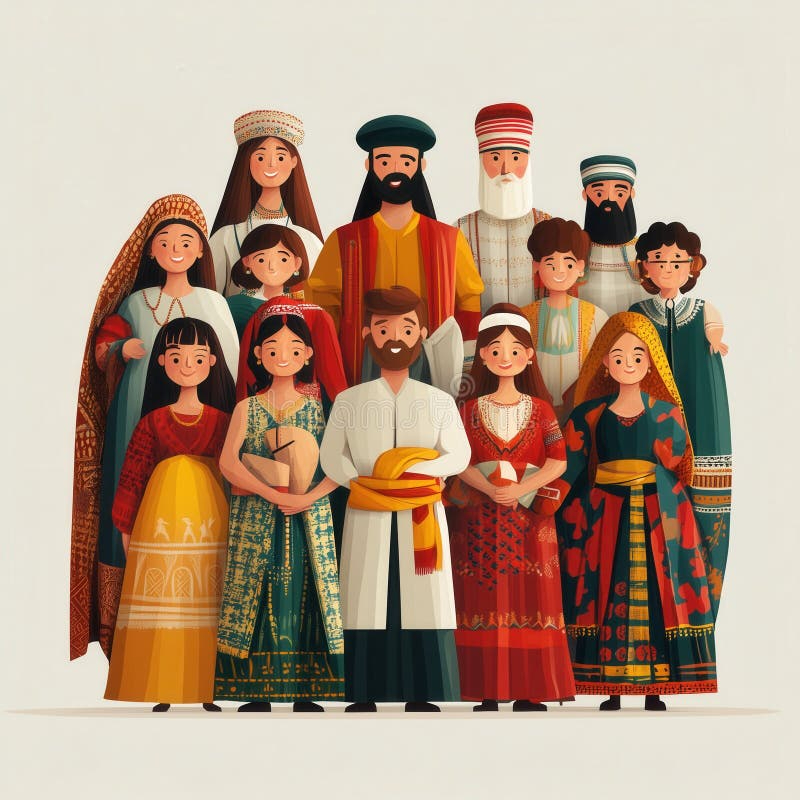
In an age of unprecedented connectivity, it’s easy to believe we are more globally aware than ever before. We have access to news from around the world at our fingertips, and we can connect with people from different cultures through social media. However, true global awareness is more than just information; it’s a deep and empathetic understanding of the complex tapestry of our world. It’s about recognizing our shared humanity while celebrating our cultural differences. And there is no more powerful way to cultivate this awareness than through international travel. This article explores how travel opens your mind to the world, transforming you from a passive observer into an engaged and compassionate global citizen.
What Is Global Awareness and Why It Matters
Global awareness is the understanding of our interconnectedness with people and places around the world. It encompasses a knowledge of geography, history, and current events, as well as an appreciation for different cultures, perspectives, and ways of life. In a world facing complex challenges like climate change, economic inequality, and political instability, global awareness is not just a desirable trait; it’s an essential one. It empowers us to make informed decisions, to engage in meaningful dialogue, and to work together to create a more just and sustainable world.
Breaking Down Stereotypes Through First-Hand Experience
Stereotypes are mental shortcuts that our brains use to make sense of a complex world. However, they are often based on incomplete or inaccurate information, and they can lead to prejudice and misunderstanding. Travel is a powerful antidote to stereotypes. When you meet people from different cultures face-to-face, you realize that they are not a monolithic group but a diverse collection of individuals, each with their own unique stories, hopes, and dreams. You learn that the world is not black and white but a beautiful and complex shade of gray.
A trip to the Middle East, for example, can be a powerful way to challenge Western stereotypes about the region. Exploring the vibrant culture of Bahrain with a Bahrain e-Visa or discovering the rich history of Saudi Arabia with an e-Visa to Saudi Arabia or through sa-evisa.com can provide a firsthand perspective that transcends media narratives. Similarly, a journey to Kuwait with a Kuwait e-Visa or to Jordan with a Jordan e-Visa will reveal the warmth and hospitality of the people, shattering any preconceived notions you may have had.
Understanding Global Economic Disparities
It’s one thing to read about global poverty in a textbook; it’s another thing to witness it firsthand. Travel can be a sobering and eye-opening experience, exposing you to the vast economic disparities that exist in our world. You may see levels of poverty that are unimaginable in your home country, and you may also witness incredible resilience and resourcefulness in the face of adversity. This firsthand experience can be a powerful motivator for action, inspiring you to get involved in efforts to promote economic justice and sustainable development.
Environmental Awareness: Seeing Climate Impact Firsthand
Climate change is a global crisis, but its impacts are not felt equally around the world. Travel can provide a powerful and personal perspective on the urgency of this issue. You may see glaciers melting in the Arctic, coral reefs bleaching in the tropics, or communities struggling with drought and desertification. This firsthand experience can be a powerful wake-up call, inspiring you to take action to reduce your own environmental footprint and to advocate for policies that protect our planet for future generations.
Political Systems: Learning Democracy and Governance Worldwide
Every country has its own unique political system, shaped by its history, culture, and values. Travel provides a fascinating opportunity to learn about different forms of governance and to see how they impact the daily lives of citizens. You may have the opportunity to speak with people who have lived under different political regimes, and you may gain a deeper appreciation for the freedoms and responsibilities of democratic citizenship. A trip to a country with a unique political history, like Azerbaijan with an Azerbaijan e-Visa, can be a fascinating lesson in geopolitics.
Religious and Spiritual Diversity: Respecting Different Beliefs
Religion and spirituality are powerful forces that shape the lives of billions of people around the world. Travel provides a unique opportunity to learn about different faiths and to witness the beauty and diversity of human belief. You may have the opportunity to visit sacred sites, to observe religious ceremonies, and to speak with people about their spiritual journeys. This experience can be a powerful reminder of the importance of religious tolerance and respect.
Food Culture: Understanding Identity Through Cuisine
Food is more than just sustenance; it’s a reflection of a culture’s history, geography, and values. Travel is a culinary adventure, a chance to sample new flavors and to learn about the stories behind the dishes. From street food stalls to fine dining restaurants, every meal is an opportunity to connect with a new culture. Exploring the diverse culinary landscape of a country like Ethiopia with an Ethiopia e-Visa or Djibouti with an online Djibouti e-Visa is a journey for the senses.
Historical Perspective: Learning from Different Narratives
History is not a monolithic story; it’s a collection of different narratives, each shaped by the perspective of the storyteller. Travel provides a unique opportunity to learn about history from different perspectives and to challenge the narratives you may have learned in school. You may visit historical sites that are not mentioned in your textbooks, and you may hear stories that have been silenced or ignored. This experience can be a powerful reminder that history is not just a collection of facts but a living and contested story.
Social Issues: Witnessing Inequality and Progress
Every society has its own unique set of social challenges, from poverty and inequality to discrimination and injustice. Travel can provide a powerful and personal perspective on these issues. You may witness firsthand the struggles of marginalized communities, and you may also see the incredible work that is being done to create a more just and equitable world. This experience can be a powerful motivator for social action, inspiring you to get involved in efforts to make a difference in your own community and around the world.
Becoming a Global Citizen: Responsibilities and Actions
Global citizenship is more than just a buzzword; it’s a way of being in the world. It’s about recognizing our interconnectedness and our shared responsibility for the future of our planet. Travel is a powerful catalyst for developing a sense of global citizenship. It opens our minds, broadens our perspectives, and inspires us to take action to make the world a better place. Whether it’s supporting fair trade, volunteering for a cause you care about, or simply engaging in respectful dialogue with people from different backgrounds, there are countless ways to be a global citizen.
Conclusion: Your Role in a Connected World
In a world that is more connected than ever before, global awareness is no longer a luxury; it’s a necessity. Travel is a powerful tool for cultivating this awareness, for breaking down stereotypes, and for fostering a sense of our shared humanity. As you plan your next adventure, whether it’s exploring the ancient wonders of Egypt with an e-Visa to Egypt, discovering the vast landscapes of Mongolia with an e-Visa to Mongolia, or experiencing the vibrant culture of Qatar with an e-Visa to Qatar, remember that you are not just a tourist; you are an ambassador for your country and a student of the world. Embrace the opportunity to learn, to grow, and to become a more engaged and compassionate global citizen.
Media Literacy: Questioning Narratives and Seeking Truth
In our media-saturated world, we are constantly bombarded with narratives about different countries and cultures. These narratives are often incomplete, biased, or outright false. Travel is the ultimate fact-checker. When you visit a place in person, you can compare the reality to the media representation and draw your own conclusions. This experience develops your media literacy, teaching you to question sources, seek multiple perspectives, and think critically about the information you consume.
For example, Western media often portrays the Middle East as a region of conflict and danger. While there are certainly challenges in some areas, this narrative ignores the rich cultural heritage, warm hospitality, and vibrant daily life that characterize much of the region. A visit to countries like Bahrain, Kuwait, or Jordan can shatter these one-dimensional stereotypes and reveal a far more complex and nuanced reality.
The Impact of Tourism: Understanding Your Footprint
As a traveler, you are not a passive observer; you are an active participant in the local economy and culture. Understanding the impact of tourism – both positive and negative – is an essential component of global awareness. Tourism can bring economic benefits to communities, creating jobs and supporting local businesses. However, it can also lead to environmental degradation, cultural commodification, and economic inequality.
Being a responsible traveler means being aware of your impact and making conscious choices to minimize harm and maximize benefit. This might mean staying in locally-owned accommodations, eating at family-run restaurants, respecting local customs, and being mindful of your environmental footprint. It also means educating yourself about the challenges facing the places you visit and supporting initiatives that promote sustainable tourism.
Gender Equality and Women's Rights: A Global Perspective
One of the most eye-opening aspects of international travel is witnessing the vast differences in gender equality and women's rights around the world. In some countries, women enjoy equal rights and opportunities. In others, they face significant legal, social, and economic barriers. Seeing these disparities firsthand can be both inspiring and heartbreaking.
Travel provides an opportunity to learn about the struggles and triumphs of women in different cultures. You might meet female entrepreneurs who are breaking barriers, activists who are fighting for change, or mothers who are raising their children in challenging circumstances. These encounters can deepen your understanding of gender issues and inspire you to support women's rights in your own community and around the world.
Indigenous Cultures: Preserving Heritage and Wisdom
Many countries are home to indigenous communities with rich cultural traditions and deep connections to the land. Travel provides an opportunity to learn from these communities, to understand their worldviews, and to appreciate their contributions to human knowledge and culture. It also highlights the challenges they face, from land rights disputes to cultural erosion.
Visiting indigenous communities with respect and humility can be a profoundly educational experience. You might learn about traditional ecological knowledge, sustainable living practices, or spiritual beliefs that offer alternative perspectives on life and our relationship with nature. Supporting indigenous-led tourism initiatives is a way to contribute to the preservation of these cultures while also enriching your own understanding of the world.
Migration and Displacement: Understanding Human Movement
In a world marked by unprecedented levels of migration and displacement, travel can provide important insights into the human stories behind the statistics. You might meet refugees who have fled conflict or persecution, economic migrants seeking better opportunities, or expatriates building new lives in foreign lands. These encounters humanize the abstract concept of migration and foster empathy and understanding.
Understanding the push and pull factors that drive human movement – poverty, conflict, climate change, opportunity – is essential for developing informed opinions on immigration policy and refugee rights. Travel can challenge simplistic narratives and reveal the complex realities of human migration.
Education Systems: Learning from Different Approaches
Education is a fundamental human right and a key driver of social and economic development. Different countries have vastly different approaches to education, shaped by their cultural values, economic resources, and political priorities. Travel provides an opportunity to observe and learn from these different systems.
You might visit a school in a developing country and be struck by the dedication of teachers working with limited resources. Or you might observe innovative educational approaches in countries that prioritize creativity and critical thinking over rote memorization. These experiences can inform your own views on education and inspire you to support educational initiatives in your community or abroad.
Healthcare Access: A Matter of Life and Death
Access to quality healthcare is one of the most significant indicators of a country's development and social equity. Travel can expose you to the stark realities of healthcare inequality. In some countries, world-class medical care is readily available to all. In others, basic healthcare is a luxury that many cannot afford.
Witnessing these disparities firsthand can be a powerful motivator for supporting global health initiatives. It can also give you a deeper appreciation for the healthcare system in your own country, whether it's a public system that provides universal coverage or a private system that offers cutting-edge treatments.
Language Diversity: Celebrating Linguistic Heritage
The world is home to thousands of languages, each representing a unique way of understanding and expressing human experience. Travel exposes you to this incredible linguistic diversity and highlights the importance of language preservation. Many indigenous and minority languages are endangered, threatened by globalization and the dominance of major world languages.
Learning about different languages and making an effort to use local languages, even in small ways, is a sign of respect for cultural diversity. It also enriches your own cognitive abilities and worldview. Each language offers a different lens through which to view the world, and exposure to multiple languages can enhance creativity and problem-solving skills.
Art and Expression: Universal Human Creativity
Art is a universal human impulse, but it takes vastly different forms across cultures. From the intricate calligraphy of Arabic script to the vibrant textiles of West Africa, from the ancient rock art of Australia to the contemporary street art of Latin America, travel is a journey through the infinite expressions of human creativity.
Engaging with art from different cultures deepens your appreciation for the diversity of human expression and the common threads that connect us all. It also challenges Western-centric notions of what constitutes "art" and expands your aesthetic horizons.
Technology and Innovation: Learning from Global Solutions
Innovation is not the exclusive domain of Silicon Valley or other Western tech hubs. Around the world, people are developing creative solutions to local challenges, often with limited resources. Travel exposes you to these innovations and can inspire new ways of thinking about problem-solving.
For example, mobile banking technology developed in Kenya has revolutionized financial inclusion in Africa and is now being adopted around the world. Solar-powered solutions developed in India are bringing electricity to remote communities. These examples demonstrate that innovation can come from anywhere and that we have much to learn from the global South.
Conclusion: Becoming an Agent of Change
Global awareness is not just about understanding the world; it's about taking action to make it better. As you develop a deeper understanding of global challenges and opportunities, you also develop a sense of responsibility to contribute to positive change. This might mean supporting fair trade, reducing your environmental footprint, advocating for human rights, or simply engaging in respectful dialogue with people from different backgrounds.
Your journey to global awareness is ongoing. Every trip, every conversation, every new experience adds to your understanding and shapes your perspective. As you continue to explore the world, remember that you are not just a tourist; you are a global citizen with the power to make a difference. Whether you're discovering the ancient civilizations of Egypt, the diverse landscapes of Ethiopia, or the emerging economies of Southeast Asia, approach each experience with curiosity, humility, and a commitment to learning. The world needs more globally aware citizens, and your journey starts now.
To obtain a Philippines eVisa
- Step1: Complete the online application by providing your passport details.
- Step2: Submit payment online using a credit card.
- Step3: Monitor your email for confirmation of payment and receipt of your eVisa, which will be sent electronically.